

Pain Relief
What are opioid pain pills?
Opioids are medicines that act on opioid receptors in the brain and nervous system to reduce the perception of pain. They are highly effective for some types of moderate and severe pain, but their benefits must always be balanced against their known risks. Common opioids used in UK healthcare include codeine, tramadol, morphine, oxycodone, fentanyl and buprenorphine.
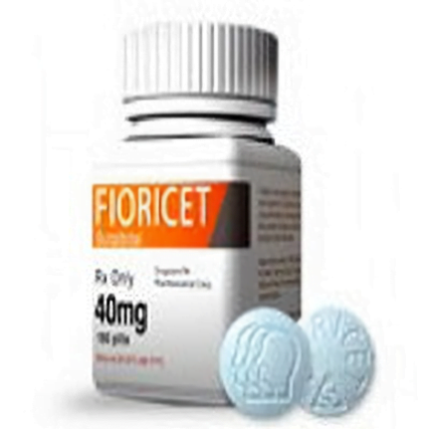
Buy Fioricet 40mg (200pills)
Original price was: $400.00.$350.00Current price is: $350.00.Buy Fioricet 40mg (200pills)
Original price was: $400.00.$350.00Current price is: $350.00.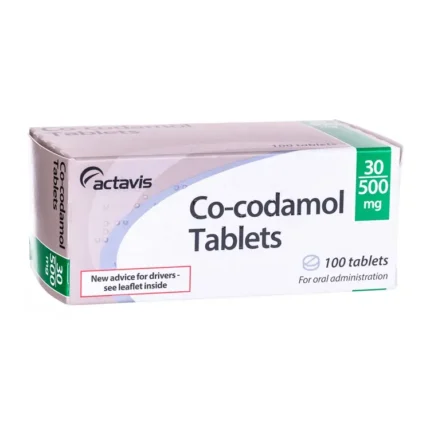
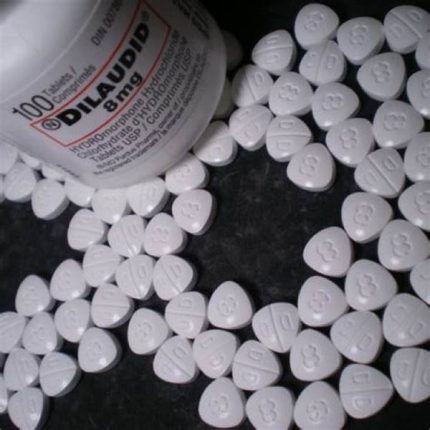
Dilaudid 8mg (200pills)
Original price was: $400.00.$350.00Current price is: $350.00.Dilaudid 8mg (200pills)
Original price was: $400.00.$350.00Current price is: $350.00.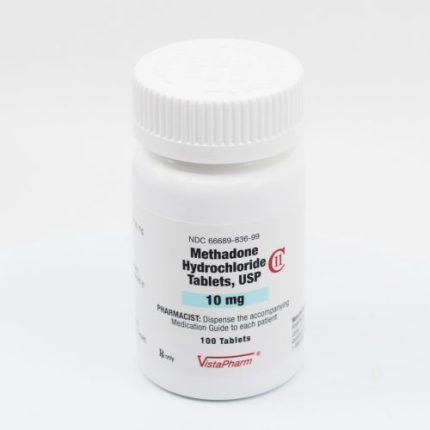
Methadone 10mg (250pills)
Original price was: $400.00.$350.00Current price is: $350.00.Methadone 10mg (250pills)
Original price was: $400.00.$350.00Current price is: $350.00.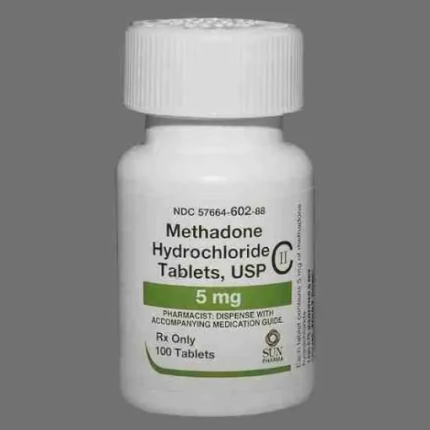
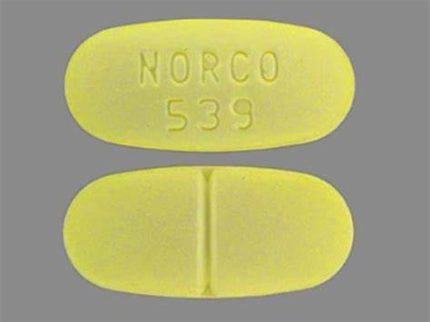
Norco 10 MG (200pills)
Original price was: $500.00.$400.00Current price is: $400.00.Buy the best opioid pain pills for sale in the UK: side effects, risks, legal status and prices
Order Opioid pain pills for sale in the UK: Opioid painkillers are among the strongest medicines prescribed for pain relief in the United Kingdom. They play an important role in treating moderate to severe pain, particularly after surgery, serious injuries, cancer-related pain and certain long-term medical conditions. However, they also carry significant risks, including dependence, addiction, drowsiness and potentially life-threatening breathing problems.
Many people search online for the best opioid pain pills in the UK, but the medically accurate answer is that there is no single best opioid for everyone. The most suitable medicine depends on the type of pain, its severity, your medical history, other medications and the judgement of a qualified healthcare professional.
This guide explains the most commonly encountered opioid pain pills in the UK, their side effects, legal classification, prescription availability and price information within the NHS.
Medical disclaimer: This article is for educational purposes only and should not replace advice from a GP, pharmacist or other qualified healthcare professional. Opioids should only be used exactly as prescribed.
What are opioid pain pills?
Opioids are medicines that act on opioid receptors in the brain and nervous system to reduce the perception of pain. They are highly effective for some types of moderate and severe pain, but their benefits must always be balanced against their known risks. Common opioids used in UK healthcare include codeine, tramadol, morphine, oxycodone, fentanyl and buprenorphine.
Unlike ordinary painkillers such as paracetamol or ibuprofen, opioids are generally reserved for situations where stronger pain relief is clinically justified. NHS England and UK medicines safety guidance emphasise that opioids are often most appropriate for short-term severe pain and should be reviewed carefully when used for longer periods because prolonged treatment can lead to dependence and other serious complications.
Quick comparison of opioid pain pills in the UK
*Some low-strength codeine-containing pharmacy products have different legal arrangements depending on their formulation.
The UK Government maintains controlled drug classifications under the Misuse of Drugs legislation, while NHS prescription charges apply differently across England, Scotland, Wales and Northern Ireland.
1. Codeine


Codeine is one of the most commonly prescribed opioid painkillers in the UK. It is considered a weaker opioid and is frequently used when non-opioid painkillers have not provided enough relief for moderate pain. It may be prescribed for dental pain, postoperative discomfort and certain injuries.
Common side effects of codeine
-
Drowsiness
-
Constipation
-
Nausea
-
Vomiting
-
Dizziness
-
Dry mouth
These effects are relatively common because codeine slows activity within the central nervous system and digestive system.
Serious risks
The major risks associated with codeine include:
-
Dependence after prolonged use
-
Addiction in some individuals
-
Reduced alertness
-
Respiratory depression at excessive doses
-
Dangerous interactions with alcohol or sedating medicines
UK medicines safety guidance warns that prolonged opioid use can result in dependence even when medicines are taken therapeutically.
Legal status in the UK
Codeine is classified as a Class B controlled drug, although legal requirements vary according to the exact preparation and strength of the medicine. Some low-strength preparations are subject to different regulatory arrangements than standard prescription formulations.
Price
For NHS patients in England who pay prescription charges, the current standard charge is £9.90 per prescription item during 2026/27. Scotland and Wales provide NHS prescriptions free of charge, while eligibility rules differ in Northern Ireland.
2. Co-codamol


Co-codamol is a combination medicine containing codeine and paracetamol. It is widely prescribed for moderate pain where ordinary paracetamol alone is insufficient. The strength of co-codamol varies, and this determines whether the medicine can be supplied by a pharmacy or requires a prescription.
Benefits
Co-codamol combines two pain-relieving mechanisms:
-
Paracetamol helps reduce pain and fever.
-
Codeine provides additional opioid pain relief.
Because of this combination, it is commonly used after surgery, for musculoskeletal injuries and certain painful dental conditions when clinically appropriate.
Side effects
Possible side effects include:
-
Sleepiness
-
Constipation
-
Nausea
-
Dizziness
-
Difficulty concentrating
Long-term use increases the risk of dependence because of the codeine component.
Legal status
Low-strength co-codamol products may be available from pharmacies, whereas stronger formulations such as those commonly prescribed by doctors are prescription-only medicines.
Price
Low-strength pharmacy versions vary in retail price between pharmacies. Prescription strengths supplied through the NHS generally fall under the standard NHS prescription charging system in England for patients who are not exempt.
3. Tramadol


Tramadol is a synthetic opioid prescribed for moderate to severe pain. It is stronger than codeine in many clinical situations and is commonly considered when weaker opioid options are unsuitable or ineffective.
Common side effects
People prescribed tramadol may experience:
-
Dizziness
-
Headaches
-
Sleepiness
-
Nausea
-
Sweating
-
Fatigue
These symptoms can affect daily activities, including driving and operating machinery.
Serious risks
Important risks include:
-
Dependence
-
Addiction
-
Seizures in susceptible individuals
-
Breathing difficulties
-
Dangerous sedation when combined with other depressant medicines
The NHS and MHRA both highlight that opioids should be monitored carefully because dependence can develop with prolonged treatment.
Legal status
Tramadol is a Class C controlled drug in the United Kingdom and is only legally supplied with a valid prescription.
Price
Tramadol is generally obtained through prescription rather than retail purchase. In England, the applicable NHS prescription charge is currently £9.90 per item for patients who pay.
4. Morphine


Morphine is one of the best-known strong opioid painkillers used within UK healthcare. It is prescribed for severe pain associated with major surgery, cancer, traumatic injuries and other serious medical conditions.
Why morphine is prescribed
Morphine is generally considered when weaker painkillers are no longer sufficient. It provides powerful analgesia but requires careful monitoring because even therapeutic doses can produce significant side effects.
Common side effects
-
Constipation
-
Drowsiness
-
Nausea
-
Vomiting
-
Itching
-
Confusion
Serious risks
The most serious complications include:
-
Respiratory depression
-
Loss of consciousness
-
Dependence
-
Withdrawal symptoms if stopped suddenly after prolonged use
Because of these risks, morphine treatment should always follow professional prescribing guidance.
Legal status
Morphine is a Class A controlled drug under UK controlled drug legislation. Despite this classification, it remains an essential legal prescription medicine when prescribed appropriately.
Price
Morphine tablets and capsules are prescription medicines. NHS patients in England who are required to pay currently pay £9.90 per prescription item, not a medicine-specific retail price.
5. Oxycodone


Oxycodone is another strong opioid prescribed for severe pain. It is used in circumstances where powerful opioid treatment is clinically indicated and may be considered when morphine is unsuitable for a particular patient.
Common side effects
-
Sleepiness
-
Constipation
-
Dizziness
-
Nausea
-
Vomiting
-
Reduced concentration
Major risks
Like other strong opioids, oxycodone carries substantial risks of:
-
Dependence
-
Addiction
-
Respiratory depression
-
Overdose
-
Withdrawal after prolonged use
These risks increase when opioids are taken incorrectly or combined with alcohol or sedative medicines.
Legal status
Oxycodone is regulated as a Class A controlled drug in the UK and is available only through lawful prescription.
Price
Oxycodone is prescription-only. For eligible NHS dispensing in England, the relevant patient charge is the standard prescription charge where applicable rather than an advertised retail price.
Which opioid pain pill is the strongest?
This is one of the most searched questions in the UK.
The answer is more complicated than simply ranking medicines by strength.
Different opioids have different potencies, formulations and clinical purposes. NHS guidance recognises medicines such as morphine, oxycodone and fentanyl as strong opioids, while codeine is generally considered a weaker opioid. Potency does not mean one medicine is automatically better or safer for every patient.
A stronger opioid also carries greater potential for serious adverse effects, particularly respiratory depression and dependence. For this reason, doctors select opioids based on individual clinical need rather than choosing the strongest medicine available.
Opioid legal status in the UK
The legality of opioid medicines is frequently misunderstood.
A medicine can be both legal and highly controlled.
In the UK, opioid medicines are legitimate prescription treatments when supplied and used lawfully. However, many are classified under the Misuse of Drugs Act and Misuse of Drugs Regulations because they have recognised potential for misuse and diversion.
Legal summary
Unlawful possession, supply or distribution of controlled opioids can result in serious criminal penalties, while patients with valid prescriptions are permitted to possess and use their medicines according to medical advice.
What are the biggest side effects of opioid painkillers?
Although each opioid has its own characteristics, many side effects overlap because they act on similar opioid receptors.
Common side effects
Constipation
Drowsiness
Nausea
Vomiting
Dizziness
Reduced concentration
Serious risks requiring urgent medical attention
Seek urgent medical assistance if someone taking an opioid develops:
-
Very slow or difficult breathing
-
Extreme difficulty waking up
-
Blue lips or fingertips
-
Loss of consciousness
-
Suspected overdose
Respiratory depression is the most dangerous complication associated with opioid overdose and is one of the primary reasons these medicines are tightly regulated.
Opioid dependence and addiction: what UK patients should know
One of the most important public health issues surrounding opioid medicines is the risk of dependence.
Dependence does not necessarily mean addiction. A person may become physically dependent on an opioid after regular treatment and experience withdrawal symptoms if the medicine is stopped suddenly. Addiction involves compulsive use despite harmful consequences and affects only some patients, but the risk is real enough that UK regulators require clear safety warnings.
NHS England advises clinicians to review long-term opioid treatment carefully because prolonged use may produce more harm than benefit for many chronic pain conditions.
How much do opioid pain pills cost in the UK?
A common misconception is that each opioid has a fixed pharmacy price.
In reality, most strong opioid medicines are prescription-only, so the patient cost usually depends on the healthcare system rather than the medicine's commercial value.
NHS prescription cost in England
As of the 2026/27 NHS charging period:
-
£9.90 per prescription item for patients who pay.
-
A Prescription Prepayment Certificate may reduce costs for people needing multiple prescriptions.
-
NHS prescriptions remain free in Scotland and Wales, with Northern Ireland operating separate free prescription arrangements.
Private prescription prices vary considerably between pharmacies and are influenced by formulation, manufacturer and dispensing fees, so there is no single reliable UK retail price for prescription opioids.
Are opioid pain pills safe to drive with?
Some opioid medicines can impair reaction times, alertness and concentration.
UK driving law states that patients may legally drive while taking certain prescribed controlled medicines—including opioids such as morphine, codeine, tramadol and fentanyl—only if they have been prescribed the medicine, are following healthcare advice and are not impaired or unfit to drive.
If an opioid makes you sleepy, dizzy or unable to concentrate, you should not drive.
Frequently asked questions
What is the best opioid painkiller in the UK?
There is no universally best opioid. Codeine may be appropriate for some moderate pain, while morphine or oxycodone may be prescribed for severe pain. The correct medicine depends on clinical assessment rather than potency alone.
Is oxycodone legal in the UK?
Yes. Oxycodone is a legal prescription medicine in the UK but is classified as a Class A controlled drug and can only be possessed lawfully when appropriately prescribed or otherwise authorised.
Is tramadol stronger than codeine?
They are different opioid medicines used for different clinical situations. Tramadol is commonly prescribed for moderate to severe pain, whereas codeine is generally considered a weaker opioid option. Treatment decisions should always be made by a healthcare professional.
Can you buy morphine tablets from a UK pharmacy without a prescription?
No. Morphine tablets are prescription-only controlled medicines and cannot legally be purchased over the counter in ordinary retail circumstances.
Why are opioids controlled drugs?
Opioids are controlled because, while they provide important medical benefits, they also have recognised risks of misuse, dependence, addiction and fatal overdose. UK legislation balances legitimate medical access with strict controls on possession and supply.
Final thoughts
Opioid pain pills remain some of the most effective medicines available for treating moderate and severe pain, but effectiveness must always be balanced against safety.
For UK patients, medicines such as codeine, co-codamol, tramadol, morphine and oxycodone each have legitimate medical uses under professional supervision. Their differences lie not only in strength but also in their approved indications, side-effect profiles, controlled drug classification and prescribing requirements.
The safest approach is never to search for the strongest opioid, but to ensure that the most appropriate opioid—if one is needed at all—is prescribed for the correct condition, at the lowest effective dose and for the shortest clinically appropriate duration. UK guidance consistently emphasises careful review because prolonged opioid treatment can increase the risks of dependence, serious adverse effects and accidental overdose.
SEO keywords: best opioid pain pills UK, strongest opioid painkiller UK, opioid tablets UK, codeine UK, co-codamol UK, tramadol UK, morphine tablets UK, oxycodone UK, opioid side effects UK, opioid legal status UK, opioid prescription cost UK, controlled painkillers UK, prescription opioids UK, pain relief tablets UK, strong painkillers UK.